
Rainy-day Fund: Your Retirement Plan’s First Line of Defense
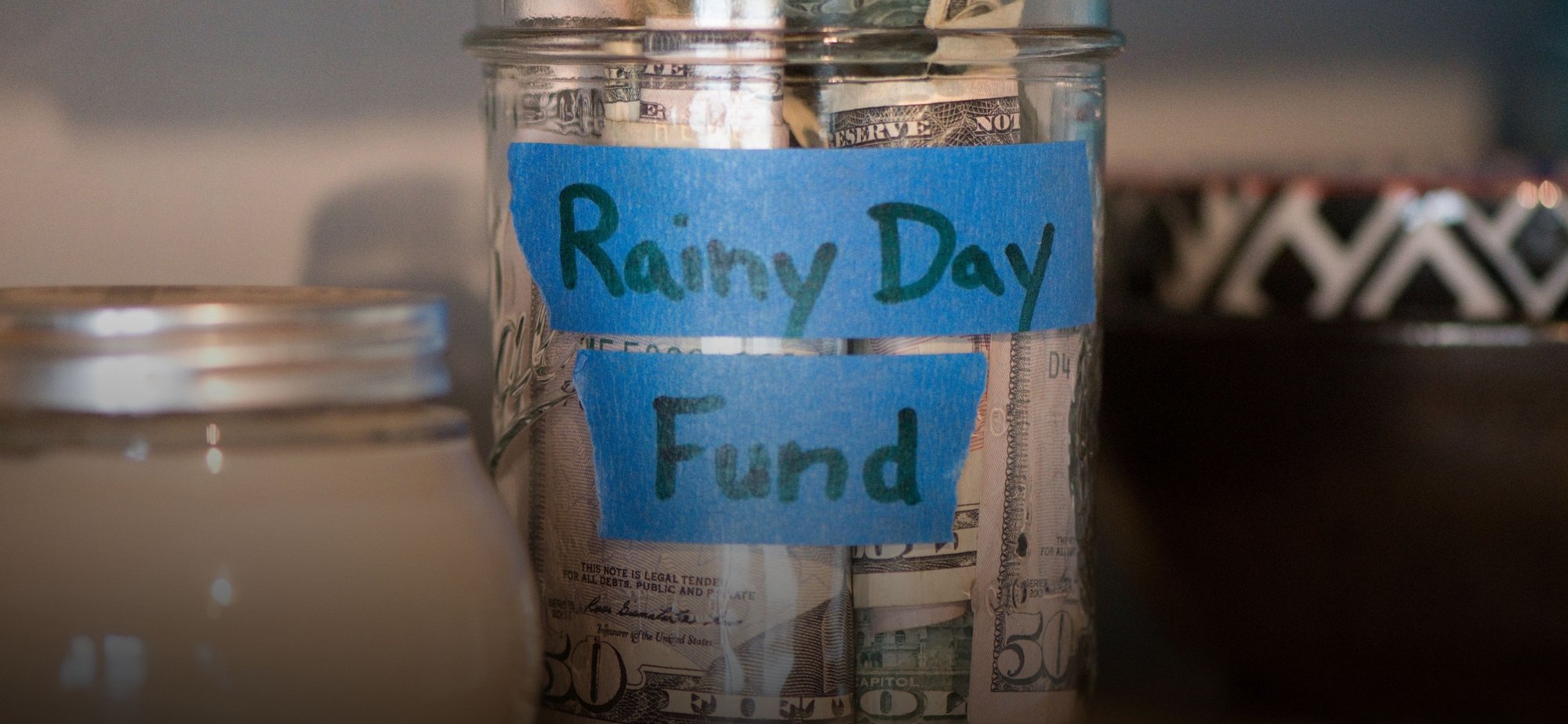
Financial planning often focuses on long-term goals like retirement. But short-term stability is just as important. Unexpected expenses can throw even the most thoughtful plans off course, forcing tough decisions that may affect your future. A rainy-day fund creates a buffer, gives you more flexibility and helps keep your savings intact.
Why Emergency Savings Matter
Life has a way of throwing surprises your way. A car repair, medical bill or home maintenance expense can show up at any time. Without a dedicated cushion, these moments can lead to reliance on credit cards or tapping into your retirement savings.
Those options might seem convenient, but they can come with costly trade-offs. Interest charges can build quickly, and early withdrawals from retirement
Think of It as Financial Protection
An emergency fund acts as a first layer of protection. It’s money set aside specifically for unplanned expenses, separate from your everyday spending and long-term investments.
This separation matters. When your short-term needs are covered, your retirement savings can remain invested and continue working toward your future goals.
Different Ways to Build a Rainy-day Fund
There’s no one-size-fits-all approach to building emergency savings. The right option depends on your situation and preferences.
Some employers now offer emergency savings accounts — called pension-linked emergency savings accounts, or PLESAs — that are linked to workplace retirement plans. These accounts allow automatic contributions through payroll deductions, which can make saving feel less effortful.
High-yield savings, money market accounts and short-term certificates of deposit (CDs) are also popular choices. They offer easy access to funds while earning interest. Look for FDIC-insured options, which add a layer of protection for your emergency fund.
For those enrolled in high-deductible health plans (HDHPs), health savings accounts (HSAs) can help cover qualified medical expenses while offering triple tax advantages: contributions are tax deductible, your investment grows tax-deferred and withdrawals for qualified medical expenses are tax free. Additionally, you might consider short-term U.S. Treasury bills, which are backed by the federal government and provide a balance of safety and modest returns.
Start Small and Stay Consistent
Building an emergency fund doesn’t have to happen all at once. Starting with a manageable goal can make the process feel more achievable. Even small, regular contributions add up over time.
Automation can help. With recurring transfers or payroll deductions in place, saving becomes routine instead of a decision you need to make with every paycheck. And in the long run, consistency can turn small steps into meaningful progress.
At minimum, try to save between three and six months of essential expenses. That target may take time, and that’s OK. The important thing is to get started.
Keeping Your Retirement Plan on Track
When unexpected expenses arise, having a rainy-day fund can make a real difference. Instead of disrupting long-term investments, you have a resource specifically for the occasional bump in the road. It can help protect the progress you’ve made toward retirement readiness while also reducing stress, since you’re better prepared to handle financial surprises.
If you’re unsure how to begin or which options fit your situation, a Financial Professional can help you take the next step. Sometimes, the best way to protect your tomorrow is by preparing for what could happen today.
Source
https://www.nerdwallet.com/banking/learn/why-you-should-save-a-rainy-day-fund-and-an-emergency-fund