
Simple Ways to Teach Kids About Giving
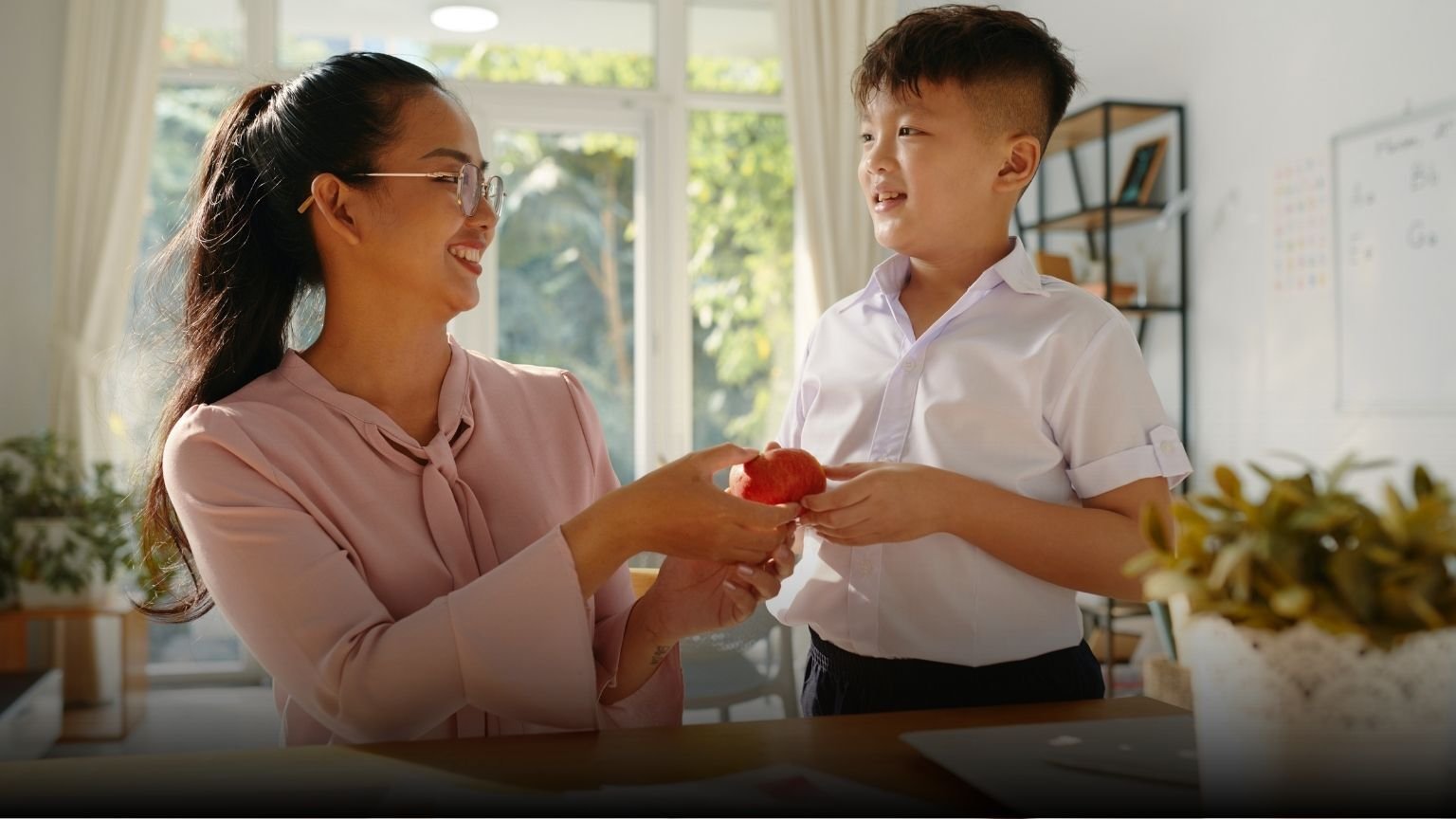
Teaching children about generosity isn’t just about money. It’s a chance to show them that everyone has something valuable to share — and that even small acts can make a meaningful difference in someone else’s life. Learning how to be generous at a young age can foster empathy, gratitude, a sense of responsibility and even happiness. Here are some practical ways to help your child embrace both monetary and non-monetary giving.
Start With a “Give” Jar
Introduce a hands-on approach to money by setting up three jars: Save, Spend and Give. Talk to your child about how much of their allowance, gift or birthday money goes into each one. Take time to talk through the choices: What are they saving for? How might their donations help those in need? A simple system like this makes generosity easy to understand while teaching basic budgeting skills.
Turn Giving Into a Goal
Generosity can be spontaneous — but it can also be a goal. Consider sitting down together to set a giving goal, whether it’s a small toy for a child in a homeless shelter or a donation to a local charity. By seeing their money add up toward a purpose that benefits someone else, children better appreciate the satisfaction that giving can bring to both themselves and the recipient.
Show That There Are Many Ways to Give
Being generous doesn’t have to cost a dime. Time, attention and acts of kindness can be just as valuable — if not more so. Offer examples like helping a friend with homework or assisting a neighbor. Teaching kids that their care and support can be meaningful to others can help boost their confidence and sense of purpose.
Donate Toys and Belongings
Another way to teach generosity is through donations. Let your child pick out toys they no longer use or clothes that no longer fit them and make a donation to a local shelter or religious charity. Involving them in the process — from choosing items to dropping them off — can make the experience more meaningful and memorable.
Make Giving a Family Affair
Teach generosity by doing it together. Volunteer at a local food bank, participate in a charity walk or help out at an animal shelter. When children see their parents actively engaging in giving, it shows that generosity is a shared family value.
Plant Seeds of Lifelong Compassion
Through these simple steps, you’re not only teaching your children to give — you’re also helping them learn kindness and compassion. Whether through money, time or thoughtful deeds, children who learn to give begin to understand the positive impact they can have on others and the world, with some studies showing elevated happiness associated with giving even in the toddler years. With guidance and encouragement, you can help your children develop habits of generosity that can serve them for their entire lives.
Source
https://pmc.ncbi.nlm.nih.gov/articles/PMC3375233/